What Is Dynamic Stretching?
Dynamic stretching is an active form of flexibility training where you perform multiple controlled repetitions of a movement to gradually increase a joint's range of motion. Unlike static stretching—which involves holding a single position while stationary—dynamic stretching mimics the exact movement patterns, speeds, and muscle activations required in sports, exercise, and activities of daily living.
According to the National Academy of Sports Medicine (NASM), flexibility training is used to:
- Correct muscle imbalances
- Increase joint range of motion (ROM)
- Decrease excessive tension of muscles
- Relieve joint stress
- Maintain normal functional length of all muscles
To dive deeper into the foundational science of human movement and flexibility, you can explore the NASM Corrective Exercise Specialization (CES) guidelines.
When to Perform Dynamic Stretching
For optimal performance and safety, dynamic stretching should be performed prior to every workout as part of your specific warm-up, or as a standalone routine on active recovery days.
An effective, evidence-based warm-up should be structured in two distinct phases:
|
Workout Block |
Duration |
Target Focus |
Example Activities |
|
Phase 1: General Warm-Up |
5–10 mins |
Cardiorespiratory activation |
Walking, cycling, light jogging |
|
Phase 2: Specific Warm-Up |
10 mins |
Dynamic range of motion |
Targeted joint mobility, dynamic stretches |
|
Main Workout |
Workout Dependent |
Peak physical execution |
High-intensity training, heavy lifting |
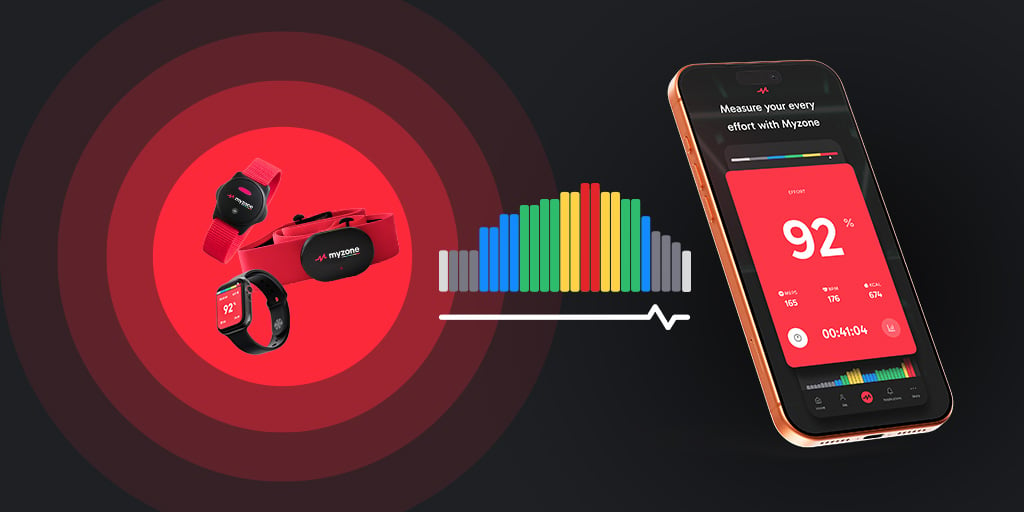
Important Safety Note: Always perform dynamic stretches when your body’s internal tissue temperature is elevated. If you cannot perform a 5–10 minute general warm-up beforehand, be extra cautious to ease into your movements slowly. Depending on the intensity, a great dynamic session can even earn you Myzone Effort Points (MEPs) and safely elevate your heart rate zone.
How to Perform Dynamic Stretching: Step-by-Step Programming
Dynamic stretching often resembles light bodyweight training. To maximize its neurological and physical benefits, program your routine using these five fundamental training variables:
1. Sets and Repetitions
- Protocol: Perform 3 to 10 distinct dynamic stretches for 1 set of approximately 10 repetitions each.
- Pro-Tip: If you are performing complex, multi-joint movements, stay on the lower end of the spectrum (3–5 exercises). If targeting isolated, single joints, expand toward 8–10 exercises.
2. Range of Motion (ROM)
Slowly scale your range of motion with each repetition. You should not feel the same sharp pulling sensation or deep tension as you do during static stretching. Instead, aim to feel a light lengthening of the connective tissue around the joint. Dynamic stretching should never cause pain.
3. Tempo and Fluidity
- The Rule: Control is everything. Start slowly and gradually increase the speed of your repetitions.
- End Range: Do not hold the stretch at the end of the movement for more than 1–2 seconds; in most cases, keep the movement entirely continuous.
- Avoid Bouncing: Do not confuse dynamic stretching with ballistic stretching (bouncing movements), which can trigger the stretch reflex, increase muscle tension, and cause injury.
4. Load
Perform all movements using bodyweight only or very light external resistance, such as a light medicine ball, resistance band, or empty technique barbell. Save heavy loads for the strength portion of your workout.
5. Breathing Pattern
Your breathing should mirror standard resistance training mechanics: Inhale during the eccentric phase (moving with gravity/lowering) and exhale during the concentric phase (moving against gravity/pushing).
Example (Air Squat): Inhale as you lower your hips toward the floor; exhale as you drive through your heels to stand.
How to Organize a Target Dynamic Stretching Routine
Because exercise is not a one-size-fits-all discipline, your dynamic routine will change based on your workout goals. Use these three core design principles to build an effective routine:
Principle 1: Progress from Simple to Complex
Start with isolated, low-demand joint movements before progressing to integrated, multi-joint patterns.
|
Progression Stage |
Exercise Example |
Primary Joints Involved |
|
1. Isolated Movement |
Knee Tucks |
Hips, Knees |
|
2. Multi-Joint Movement |
Walking Lunges |
Hips, Knees, Ankles |
|
3. Integrated/Complex |
Walking Lunges with Torso Twist |
Hips, Knees, Ankles, Thoracic Spine |
Principle 2: Gradually Increase Amplitude
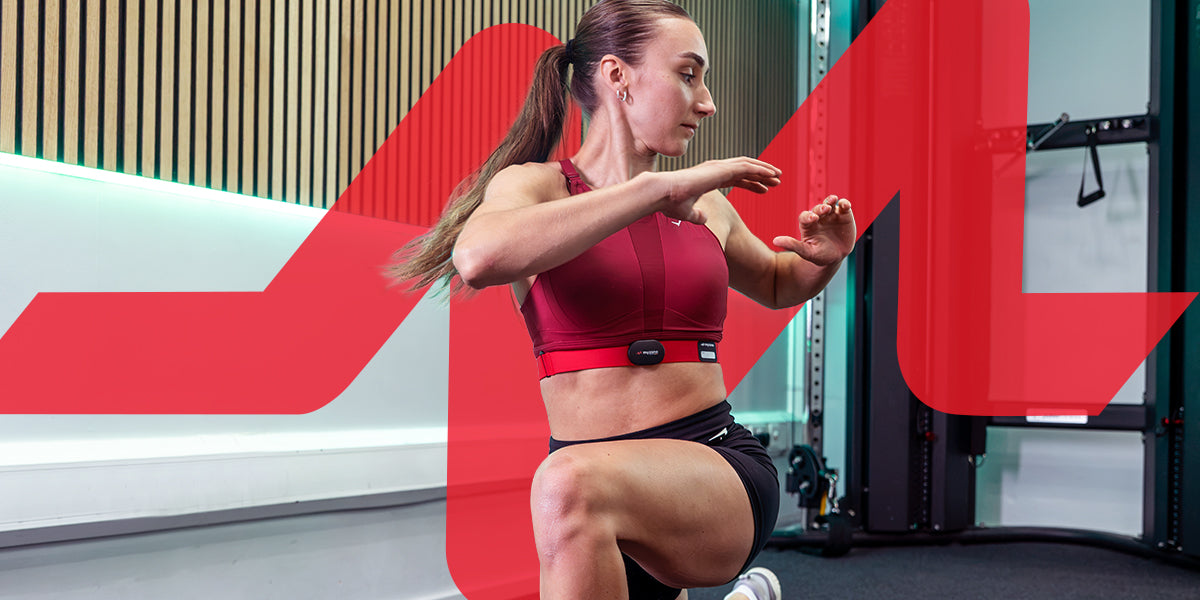
Ensure the range of motion on your 10th repetition is noticeably larger than your 1st repetition. For example, begin an air squat progression by lowering down halfway, gradually achieving a parallel or deep squat by the final reps.
Principle 3: Focus on Target Muscle Groups
While a full-body flexibility routine is excellent, it is highly efficient to customize your stretches to the specific muscle groups and joints you intend to train that day.
- Upper Body Focus: Target the chest, upper/mid/lower back, neck, shoulders, arms, and abdominals.
- Lower Body Focus: Target the glutes, hip flexors, hamstrings, calves, quadriceps, adductors (inner thigh), and abductors (outer thigh). For visual guides on targeting these lower-body groups, review Healthline's Library of Dynamic Warming Exercises.