When you are looking to upgrade your fitness tracking, the sheer number of options can be overwhelming. Search data shows that thousands of people each month are asking the exact same questions: Which is better, a chest strap or a wrist watch? When should I use an armband?
The truth is, there is no single "best" heart rate monitor—only the best monitor for the specific workout you are doing right now.
Whether you are chasing your next personal best or just want fair credit for your effort, matching your wearable to your workout is the secret to accurate tracking. Here is a breakdown of chest, arm, and wrist heart rate monitors, and how the Myzone Max and Switch 2.0 ensure every drop of sweat is measured fairly.
The Science of Heart Rate Tracking
To understand which placement is best, you have to understand how different trackers read your pulse.
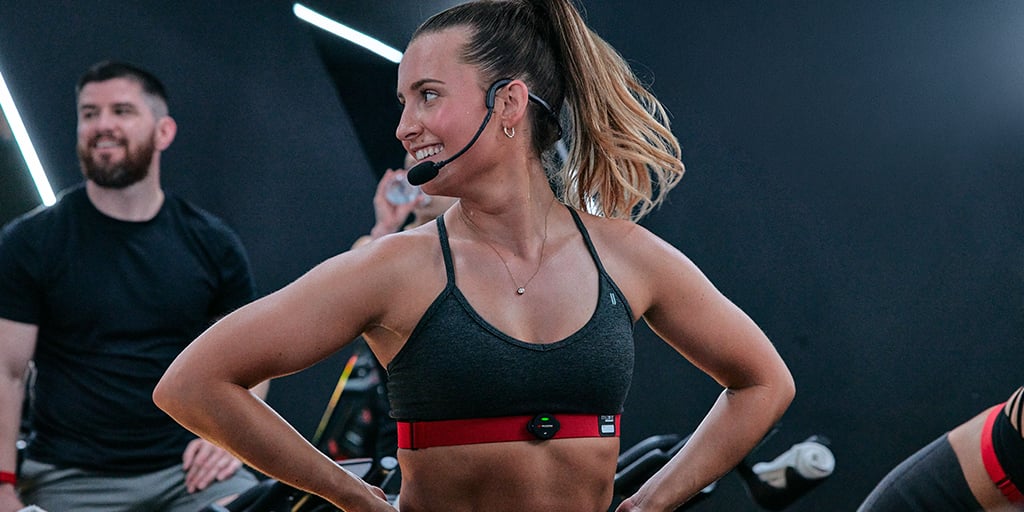
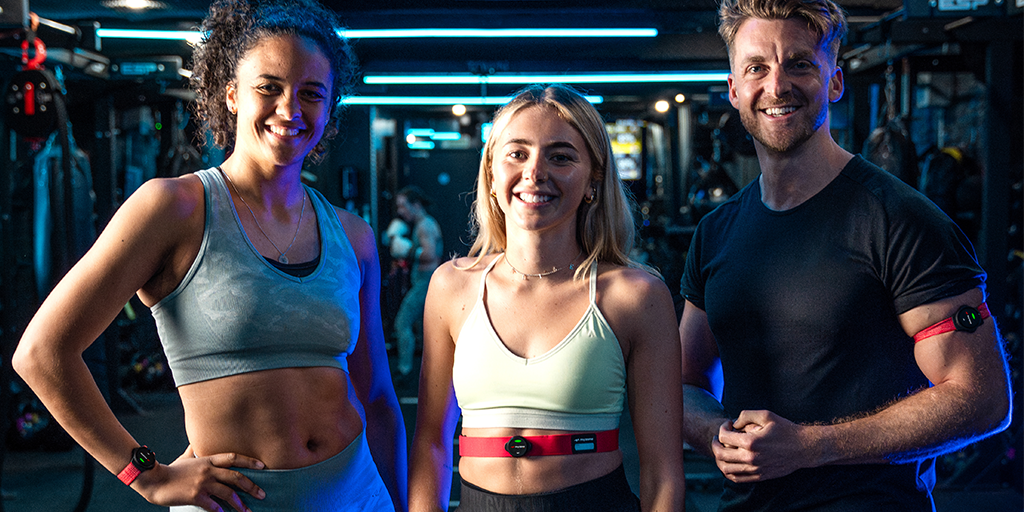
- Chest Straps (EKG): Devices worn on the chest measure the electrical signals of your heart (electrocardiography). Because they sit directly over the heart and aren't affected by flexing limbs, they are incredibly accurate and immune to motion interference.
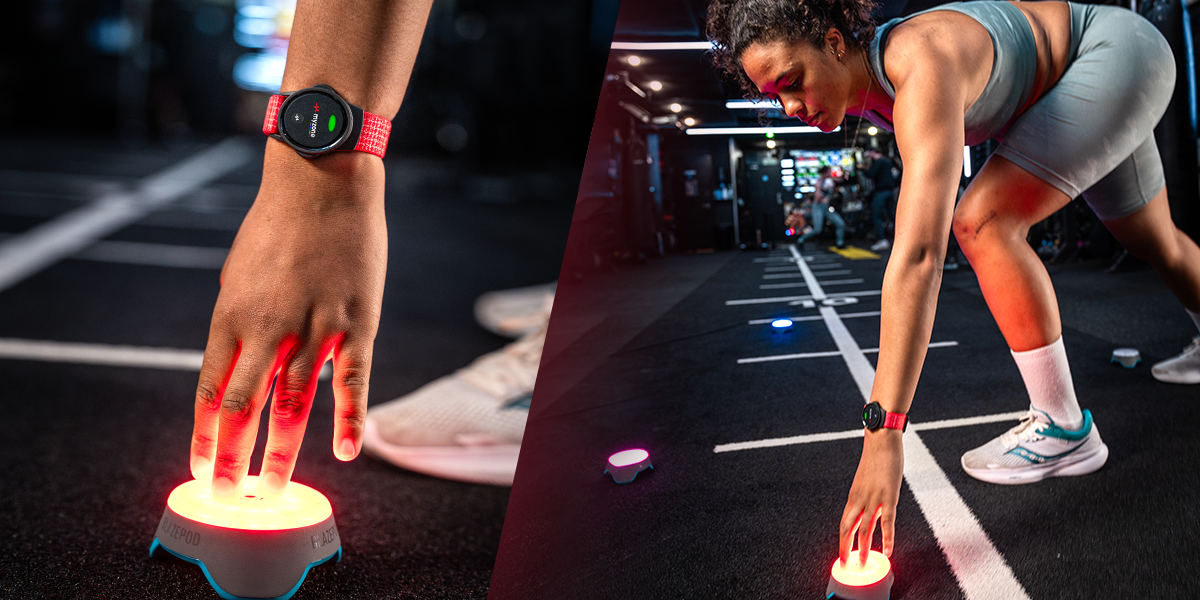
- Arm and Wrist Trackers (PPG): Devices worn on the arm or wrist use optical sensors (photoplethysmography). They shine a light into your skin to measure blood flow. While incredibly convenient, they can occasionally struggle during movements where your muscles tense heavily or your wrists flex rapidly.
Chest vs. Arm vs. Wrist: The Ultimate Guide
Instead of locking yourself into one style, think of your heart rate tracking as a toolkit.
1. Chest Straps: The Gold Standard for High Intensity
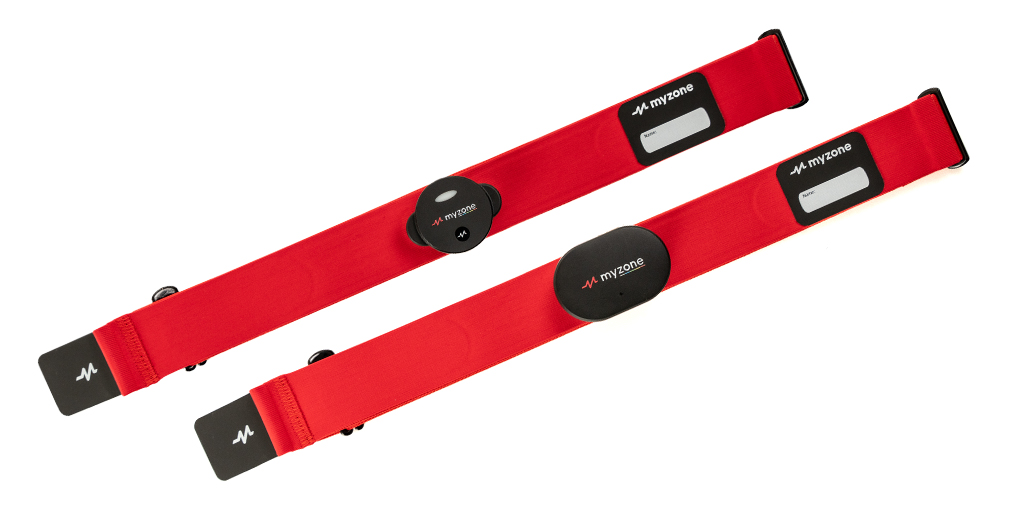
Best for: HIIT, weightlifting, CrossFit, plyometrics, and sprinting. The Myzone Solution: The Myzone Max and Switch 2.0 (Chest Mode).
When you are lifting heavy, jumping, or changing direction quickly, optical wrist sensors can get confused by rapid arm movement and muscle tension. A chest strap stays securely over your heart, never losing your pulse when you grip a barbell or drop into a burpee.
If precision is your top priority and you want 99.4% clinical-grade accuracy, a dedicated chest strap like the Myzone Max is the ultimate tool. It ensures your Myzone Effort Points (MEPs) exactly reflect the work you put in.
2. Armbands: The Perfect Middle Ground
Best for: Running, cycling, indoor rowing, and functional circuits. The Myzone Solution: The Myzone Switch 2.0 (Arm Mode).
If you find chest straps uncomfortable but still want better accuracy than a smartwatch, the upper or lower arm is the perfect compromise. Armbands use optical sensors, but because they are placed higher up the arm away from the busy wrist joint, they offer much greater stability.
The Myzone Switch 2.0 shines here. You can slide it onto your forearm for a spin class or an outdoor run, giving you highly accurate, comfortable tracking without the chest-strap feel.
3. Wrist Wearables: Everyday Convenience
Best for: Walking, low-to-moderate steady cardio, swimming, and daily lifestyle tracking. The Myzone Solution: The Switch 2.0 (Wrist Mode).
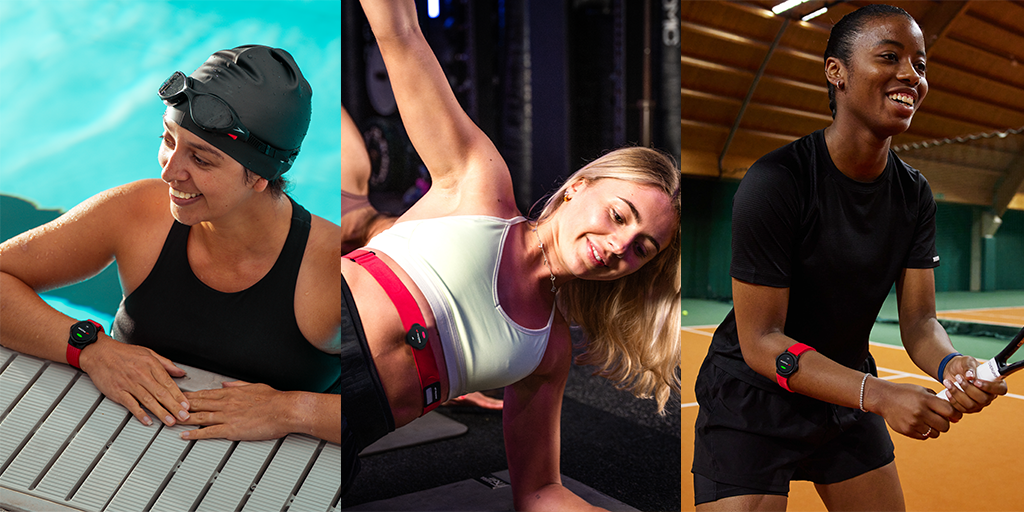
Wrist wearables win decisively on everyday convenience. You can wear them all day to track casual movement without thinking about it. For lower-intensity gym sessions or swimming, modern wrist sensors are great at giving you a broad picture of your effort.
With the Switch 2.0, you can easily snap the sensor onto the breathable wrist strap for a morning walk or a few laps in the pool, keeping you connected to your effort effortlessly.
| Feature | Chest (EKG) | Arm (PPG) | Wrist (PPG) |
| Accuracy | 99.4% (Clinical Grade) | 95% (Highly Accurate) | 95% (Great for steady cardio) |
| Best Workouts | HIIT, Weightlifting, Sprints | Running, Rowing, Cycling | Walking, Swimming, Daily Wear |
| Comfort | Secure & snug | Very comfortable | Maximum convenience |
| Interference Risk | Zero | Low | Moderate (during heavy lifting) |
Why Choose Just One?
The most sustainable fitness strategy isn't forcing yourself to choose between "team chest strap" and "team smartwatch." It’s having the flexibility to adapt.
That is exactly why Myzone built the Switch 2.0. It is the world’s first interchangeable heart rate monitor. You can wear it on your wrist for a swim, move it to your arm for a run, or snap it onto a chest strap for a brutal HIIT session.
Because your data feeds directly into the Myzone ecosystem regardless of where you wear the sensor, your MEPs, status levels, and historical data travel with you. Your effort is always measured fairly, displayed clearly, and turned into motivation you can feel.
Ready to stop guessing and start tracking? Shop Myzone Max and Switch 2.0 today.