Smartwatches are incredible tools for daily health tracking, step counting, and steady cardio. But when you step onto the gym floor for heavy lifting, functional circuits, or high-intensity interval training (HIIT), you might notice your data looking a little different.
Search data shows fitness enthusiasts are constantly asking:
What is the best heart rate monitor for the gym? And when does it make sense to use a dedicated chest strap?
If you want to understand your workout data better, it helps to know how different wearables read your pulse. Here is a breakdown of how different heart rate monitors compare, and how to choose the right tool for your training style.
How Wrist-Based Tracking Works (And When It Thrives)
Most smartwatches use optical sensors (a technology called PPG). They shine a green light into your skin to estimate your pulse based on blood flow. For a light jog, a spin on the stationary bike, or tracking your sleep, this technology is fantastic and incredibly convenient.
However, the wrist is a very busy joint during a gym session. When you grip a barbell, flex your forearms during pull-ups, or do explosive movements like kettlebell swings, your muscle contractions temporarily restrict blood flow and shift the watch against your skin.
This can create "motion artifacts," causing the watch to momentarily lose your pulse or sync up with your arm's movement cadence instead of your heart rate.
The result isn't that the smartwatch is broken; it’s simply being used in an environment where optical wrist sensors face mechanical limitations.
Finding the Right Fit: Where Dedicated Monitors Excel
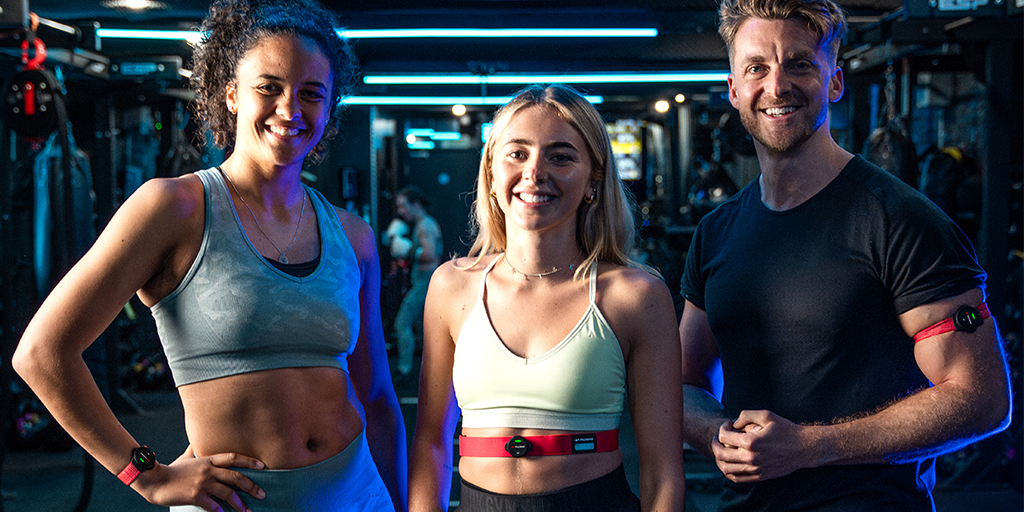
For gym-goers looking to dial in their performance, pairing an everyday smartwatch with a dedicated fitness wearable is the perfect combination. Dedicated monitors offer two distinct ways to capture your effort accurately when the workout gets intense:
1. Clinical-Grade Accuracy (The Chest Strap)
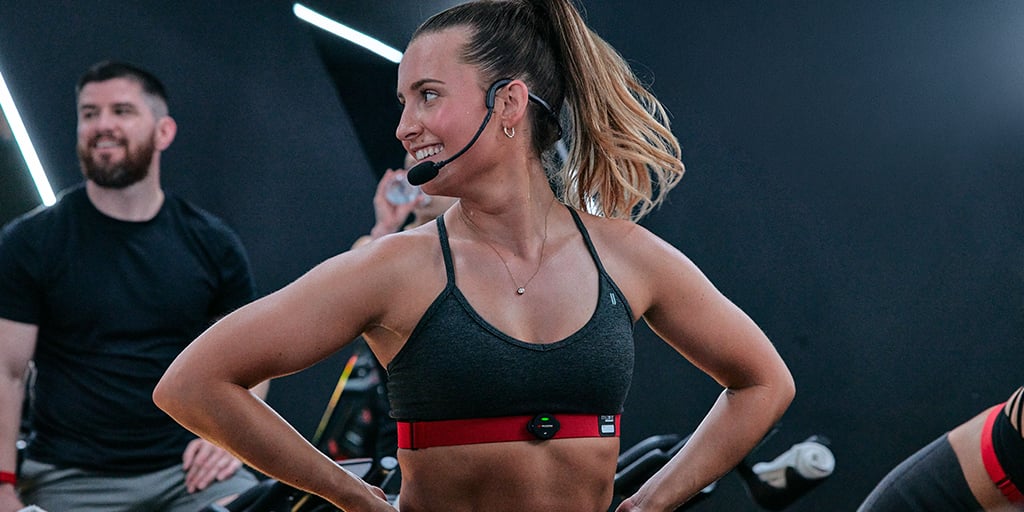
Instead of looking at blood flow on the surface of the skin, dedicated chest straps use electrical sensors (EKG) to pick up your heart's signals directly from the source. Because they sit securely on your chest, they remain completely unaffected when you bend your wrist, change your grip, or lift heavy weights.
If precision is your priority during intense sessions, a premium chest strap like the Myzone Max is the ultimate tool. With 99.4% EKG accuracy, up to 300 hours of battery life, and built-in memory, it is designed entirely around performance. You can even leave your phone in the locker room—the Max stores up to 36 hours of workout data and syncs seamlessly when you are done.
2. Versatile Placement (The Middle Ground)
What if you prefer not to wear a chest strap, but still want highly accurate data during your gym workouts? The solution is moving the optical sensor away from the busy wrist joints and onto areas with less movement and more stable tissue, like the forearm or bicep.
Interchangeable trackers like the Myzone Switch 2.0 give you the best of all worlds. You can wear it on your wrist for an easy recovery walk, slide it onto your forearm for strength training, or snap it onto a chest strap for maximum EKG accuracy during a HIIT class. It adapts to whatever workout you are tackling that day.

Tracking Effort, Not Just Beats
Having accurate data is only useful if it actually motivates you to keep going. That is the core of Myzone's Motivation Technology.
When you use a dedicated monitor to track your workouts, you aren't just staring at a BPM number. Within the Myzone ecosystem, every workout earns you Myzone Effort Points (MEPs). Because MEPs are based on a percentage of your personal maximum heart rate, it levels the playing field. It doesn’t matter if you are an elite athlete or stepping into the gym for the first time—you are rewarded for the actual effort you put in.
When you have the right tool for the job, you can trust your data. When you trust your data, you stay consistent. And consistency is what drives real results.